

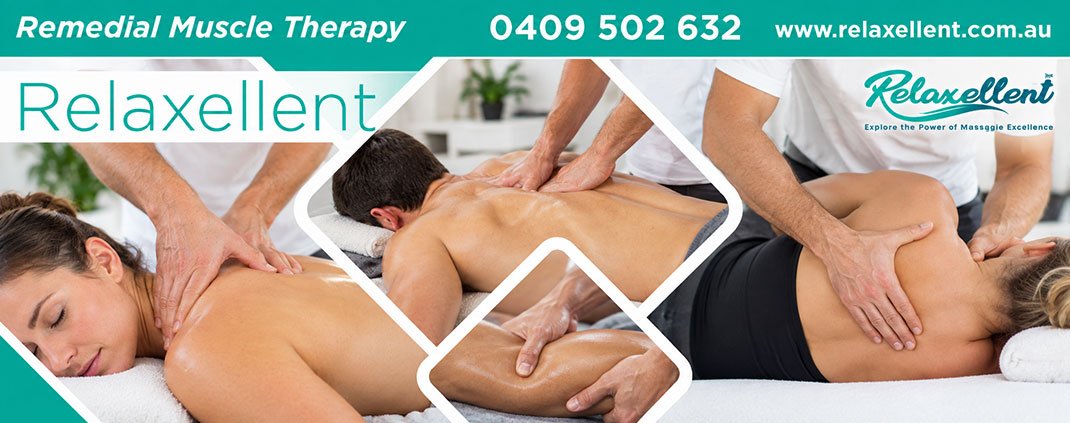
More Than a Relaxation Massage
Sometimes you want a massage simply to relax. At other times, there’s a particular muscle, area of tension or recurring pattern of tightness that needs more focused attention.
That’s where my approach to Remedial Muscle Therapy comes in.
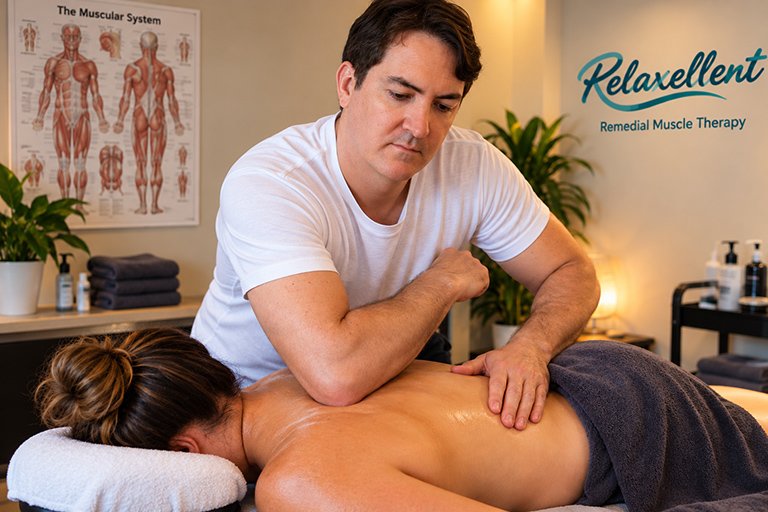
Remedial massage is a more targeted form of hands-on therapy. Rather than following the same routine for everyone, the treatment is adapted according to what I find in the muscles and soft tissues, where you’re experiencing discomfort, and what you’re hoping to achieve from the session.
I’ve been working with massage and hands-on therapies since the early 1990s. Over those three decades, I’ve developed an approach that combines traditional massage with deep-tissue work, myofascial techniques, focused pressure and instrument-assisted soft tissue mobilisation (IASTM).
The treatment can be firm where appropriate, but remedial work isn’t simply about pressing harder. It’s about using the right technique, in the right area, with the right amount of pressure for the person on the table.
Hands, Forearms, Elbows, Knuckles – Whatever Works Best
A massage therapist has far more tools available than just the palms of the hands.
Depending on the area I’m working on, I may use my fingers, thumbs, knuckles, fists, forearms, wrists, elbows or the sides of my hands to apply pressure in different ways.
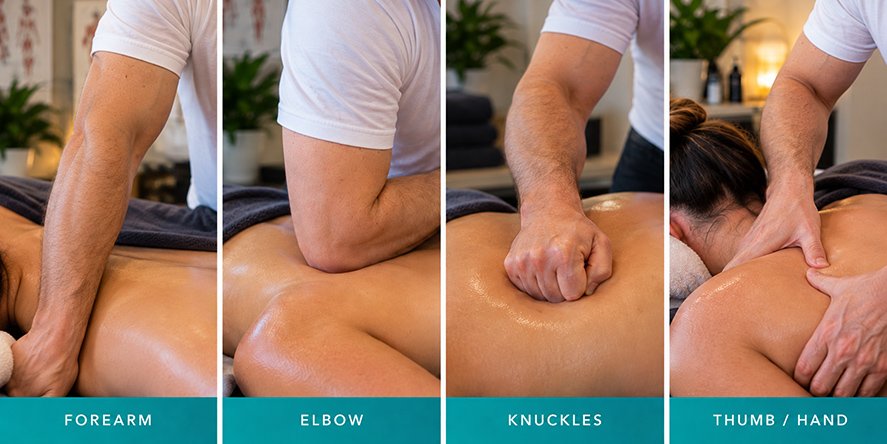
For larger, stronger muscle groups, a forearm or elbow can sometimes provide broad, controlled pressure more effectively than the fingers alone. For smaller or more specific areas, the thumbs, fingers or knuckles may allow much greater precision.
I also incorporate deep-tissue techniques and myofascial release, working with the muscles and surrounding connective tissues rather than simply performing continuous flowing massage strokes.
That variety is important because bodies aren’t all the same. Neither are the areas being treated. A tight upper back doesn’t necessarily need the same approach as a calf, hip, shoulder or forearm.
Your treatment should adapt to your body—not the other way around.
Instrument-Assisted Soft Tissue Mobilisation (IASTM)
Hands aren’t the only tools I use.
Where appropriate, I may incorporate Instrument-Assisted Soft Tissue Mobilisation, commonly known as IASTM. This involves using specially designed ergonomic instruments over selected areas of soft tissue as an adjunct to hands-on treatment.
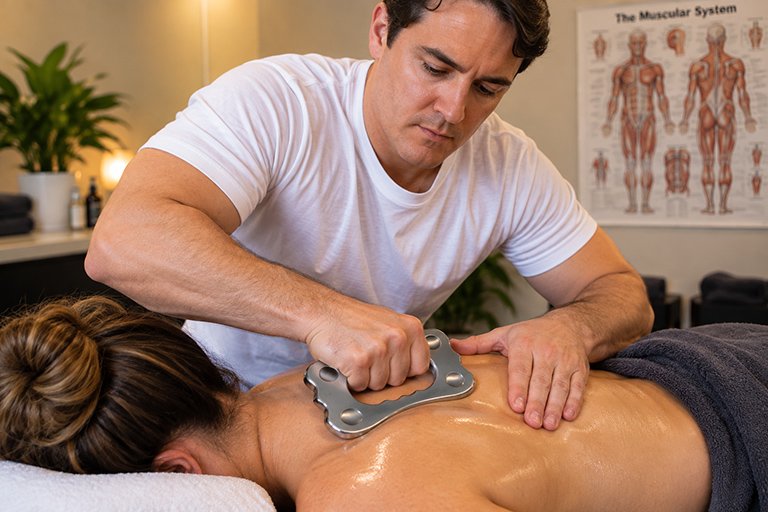
The instruments allow pressure to be applied differently from what can be achieved with the fingers and thumbs alone and can be particularly useful when working precisely over certain muscular and fascial areas.
IASTM is an established form of soft-tissue treatment, although research into its effects continues to develop. Systematic reviews have produced somewhat mixed findings, with more recent research suggesting potential benefits for pain and range of motion in some musculoskeletal conditions while also emphasising variation in study quality and treatment protocols.
For me, that’s an important distinction. IASTM isn’t a replacement for skilled hands-on massage, nor do I use it simply because I have the equipment. It’s another option available to me when I believe it suits the area I’m working on and the person I’m treating.
The same applies to the other ergonomic massage equipment I’ve incorporated into my work over the years. Different tools and techniques give me more options—but the treatment remains individual.
Remedial Massage Tailored to You
People seek remedial massage for many different reasons. Some have persistent muscular tightness or stiffness. Others have troublesome areas in the neck, shoulders or back, or muscles that have become sore after work, exercise or repetitive activity.
Remedial massage is commonly used for muscular and soft-tissue complaints and may incorporate anything from relatively gentle work through to deeper pressure, depending on the individual’s needs and tolerance.
That doesn’t mean that every tender muscle needs to be attacked with maximum pressure.
After more than 30 years of massage work, I’ve learned that deeper isn’t automatically better. Sometimes firm, sustained pressure is appropriate. Sometimes a slower myofascial approach works better. Sometimes the surrounding tissues deserve as much attention as the spot that initially hurts.
And sometimes what a person really needs is simply an excellent massage that combines remedial attention with enough relaxation to allow them to switch off.
That’s why I don’t believe in forcing every client into one particular style of treatment.
Remedial Muscle Therapy gives me the freedom to draw on more than three decades of hands-on experience and choose from a wide range of techniques according to the person in front of me.
Whether you’re dealing with stubborn muscular tension, feeling tight after work or exercise, or simply want a more focused massage than a standard relaxation treatment, the aim is the same:
A massage that responds to your body, your comfort and what you need on the day.
EXTRA FREE 20 MINUTES MASSAGE