If you’re searching for massage Shepparton because stress is getting on top of you — you’re not alone.
Stress is one of the most common reasons people book a massage.
Not just for relaxation.
For genuine, physical relief from what anxiety does to the body.
Because here’s the thing most people don’t realise:
Stress isn’t just a mental experience.
It lives in your body.
It tightens your shoulders.
It clenches your jaw.
It disrupts your sleep.
It keeps your nervous system switched on — long after the pressure has passed.
This guide explains what stress actually does to your body, why massage is one of the most effective tools for resetting it, and what you can expect from treatment in Shepparton.
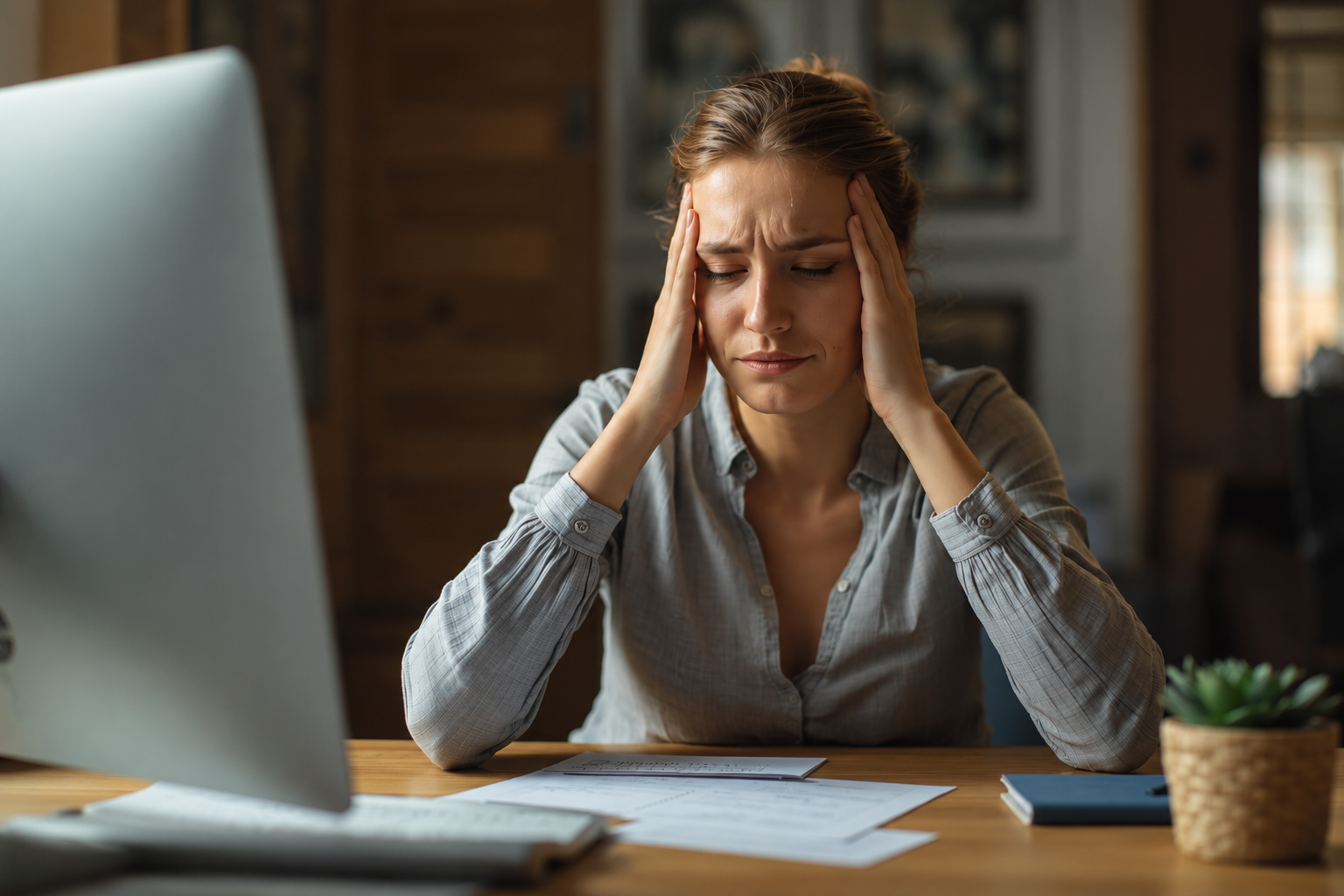
What Stress Actually Does to Your Body
Most people think of stress as a mental problem.
It’s not — or at least, not only.
Stress triggers a physical response in the body.
It’s called the fight-or-flight response.
Your nervous system activates.
Cortisol and adrenaline are released.
Muscles brace and tighten.
Heart rate increases.
Breathing becomes shallower.
This response is designed for short bursts.
A threat appears. You respond. The danger passes. You recover.
👉 But modern stress doesn’t work like that.
Work deadlines don’t go away.
Financial pressure doesn’t go away.
Family stress doesn’t go away.
The threat is always there — which means the response never fully switches off.
Over time, this creates a body that’s stuck in a low-grade state of activation.
Muscles stay tight.
Sleep becomes restless.
The mind stays busy even when there’s nothing urgent happening.
That’s what chronic stress does.
And that’s what massage directly addresses.
Why Massage Shepparton Is Effective for Stress and Anxiety
Massage works on stress from a physiological level — not just a comfort level.
It doesn’t just feel nice.
It creates measurable changes in the body.
Here’s what actually happens during a session:
🔹 The nervous system shifts
Massage activates the parasympathetic nervous system.
That’s the rest-and-digest state.
The opposite of fight-or-flight.
As touch signals travel through the nervous system, the body begins to downregulate.
Heart rate slows.
Breathing deepens.
Muscles soften.
The body stops bracing.
🔹 Cortisol levels drop
Research consistently shows massage reduces cortisol — the primary stress hormone.
Lower cortisol means less physical tension.
Less reactivity.
Better sleep.
A clearer head.
🔹 Serotonin and dopamine increase
These are the body’s natural mood regulators.
Massage stimulates their release.
This is why people often feel emotionally lighter after a session — not just physically looser.
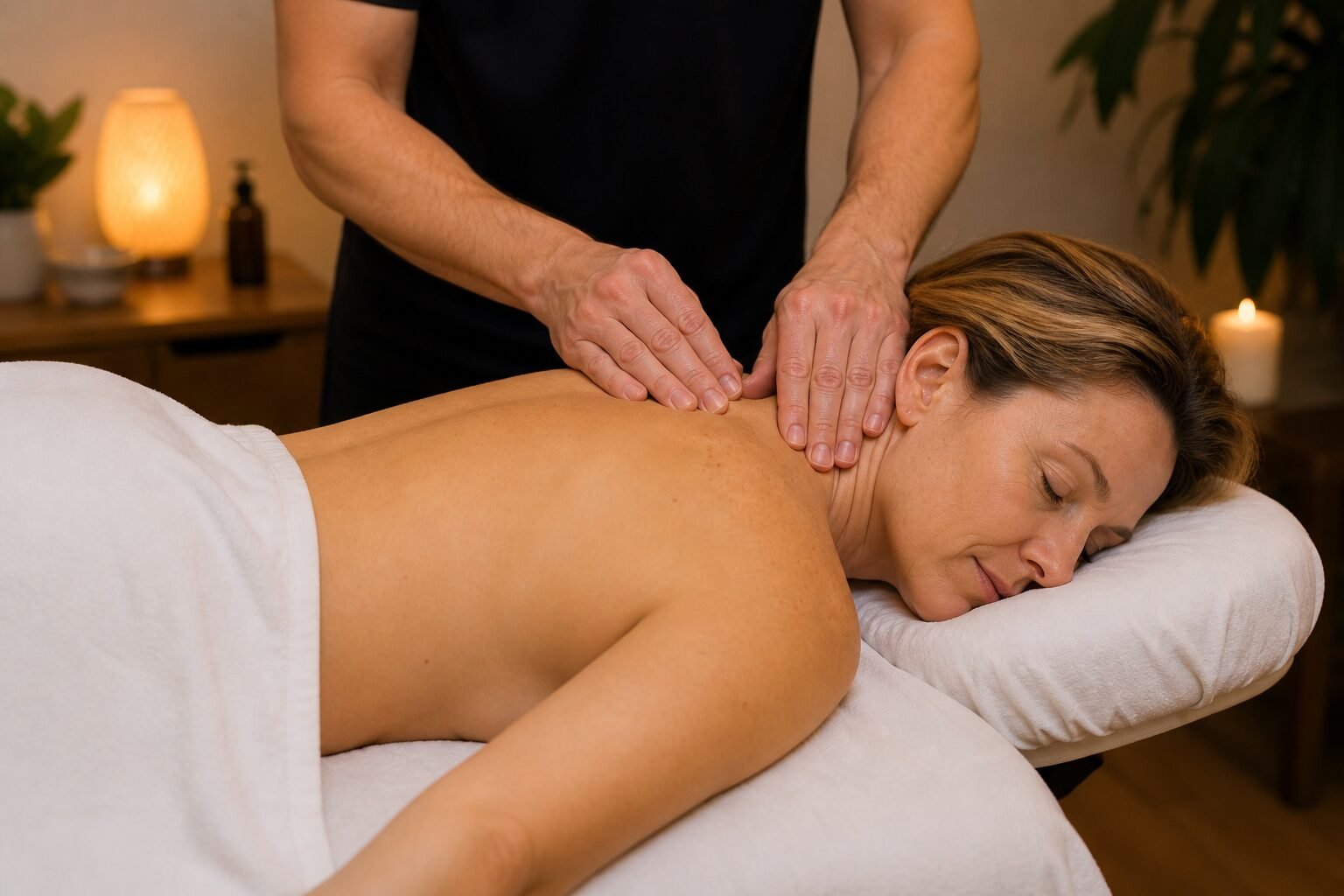
🔹 Muscle tension releases
Stress causes the body to brace.
That bracing accumulates in specific areas — the neck, shoulders, upper back, jaw, and hips.
Massage directly works through that stored tension.
It releases what the body has been holding.
👉 For stress that has settled deep into the muscles, deep relaxation massage is specifically designed to address the whole system — not just isolated areas.
The Physical Symptoms of Stress That Massage Addresses
Stress shows up differently in different people.
But there are patterns.
Common physical symptoms of chronic stress include:
- Persistent neck and shoulder tension
- Headaches and jaw tightness
- Disrupted or unrefreshing sleep
- A feeling of physical heaviness or fatigue
- Shallow breathing and chest tightness
- Digestive discomfort
- Low-grade body aches with no clear cause
Most people experiencing these symptoms don’t connect them to stress.
They think something is structurally wrong.
Often, it’s the nervous system.
And massage is one of the most direct ways to reset it.
⚠️ If you’re experiencing tension headaches alongside stress, migraine ease massage targets the specific muscles that contribute to head and neck pain.
How a Stress-Focused Massage Session Works
A stress or anxiety-focused session looks different to a sports recovery session.
The approach is deliberate.
It’s calibrated to help your nervous system — not just your muscles.
Here’s what you can expect:
Before the session
Your therapist will ask about where you’re holding tension.
How your sleep has been.
How your stress levels have been.
This shapes the entire treatment.
During the session
The pace is slower and more considered than a deep tissue session.
Pressure is firm enough to release real tension — but not so intense it creates a stress response of its own.
Work typically focuses on:
- Neck and shoulders
- Upper and lower back
- Scalp and head
- Hips and glutes
👉 Indian head massage is a particularly effective add-on for stress — targeting the scalp, neck, and upper back where tension accumulates most.
After the session
Most people feel noticeably calmer within the first 20 minutes.
Breathing is deeper.
The mind is quieter.
The body feels heavier in the good way — grounded, not exhausted.

Massage Shepparton for Anxiety: What’s Different
Stress and anxiety are related — but not identical.
Stress is usually tied to an external pressure.
Anxiety often persists even when nothing specific is happening.
The body stays activated.
The mind anticipates threat.
Muscles stay braced.
Sleep stays disrupted.
For people managing anxiety, massage offers something that’s hard to find elsewhere:
👉 A genuine, physical experience of safety and calm.
Not a distraction.
Not a coping strategy.
An actual physiological downshift.
The nervous system learns — through repeated experience — that it’s safe to relax.
That’s not something you can think your way into.
It has to be felt.
For anxiety that disrupts sleep specifically, massage for sleep addresses the physical patterns that keep the body too activated to rest properly.
Why the Home Environment Makes a Difference
For people managing stress or anxiety, the idea of going somewhere unfamiliar can itself feel like pressure.
A waiting room.
An unfamiliar clinic.
Travel.
Time pressure.
👉 This is where massage Shepparton delivered at home removes a barrier that matters.
There’s no commute.
No waiting.
No transitioning into an unfamiliar space.
You’re already where your body feels safe.
The treatment begins there.
And when it’s done, you stay there.
No drive home.
No re-entry into stress.
Learn more about mobile massage in Shepparton here.

Common Myths About Massage for Stress
❌ “It’s just relaxation — not real treatment.”
Massage creates measurable physiological change.
Cortisol drops. Serotonin rises.
The nervous system genuinely shifts state.
That’s not a luxury — it’s a therapeutic outcome.
❌ “I need to wait until I’m really struggling before I book.”
The best time to use massage for stress is before it compounds.
Regular sessions prevent the build-up.
They keep the baseline lower.
❌ “One session won’t make a difference.”
One session offers real, noticeable relief.
But consistency is where lasting change happens.
The body learns to return to calm more easily with each session.
How Often Should You Book Massage Shepparton for Stress?
There’s no single right answer.
It depends on what you’re managing and what you’re working toward.
A practical guide:
- Weekly — high stress periods, anxiety that’s affecting sleep or daily function
- Fortnightly — ongoing maintenance when things are manageable but accumulating
- Monthly — general prevention and nervous system reset
👉 For a deeper reset during high-stress periods, a two-hour massage allows more time for the nervous system to fully downregulate — rather than just beginning to settle as the session ends.
The key is not letting stress compound to a breaking point before acting on it.
Regular massage Shepparton sessions keep the system from tipping over.
What Helps Between Sessions
Massage resets the system.
What you do between sessions helps it hold.
✔ Breathwork — slow, deliberate breathing for 5 minutes activates the parasympathetic system. Simple and effective.
✔ Movement — even a 15-minute walk reduces cortisol measurably. Consistency matters more than intensity.
✔ Limit screen time before bed — screens keep the nervous system activated. An hour without them before sleep makes a real difference.
✔ Heat — a warm shower or wheat bag on the neck and shoulders helps maintain the muscle release from your session.
✔ Protect your wind-down time — stress accumulates when there’s no space between pressure and sleep. Build a transition.
None of these are complicated.
They don’t take long.
But together with regular massage, they create a body that holds less tension and recovers faster.
Ready to Reset?
Stress and anxiety don’t have to be the background noise of your life.
They’re manageable.
The body knows how to relax.
Sometimes it just needs help getting there.
Massage Shepparton is one of the most direct, effective, and non-invasive ways to support that process.
Whether you’re dealing with ongoing anxiety, a particularly stressful season, or a nervous system that hasn’t properly switched off in months — targeted treatment can help.
Calm is not something you think your way into.
It’s something your body has to experience.
Explore all available services here. | Learn more about your therapist.